Welcome to JIECHENG



Leave Your Message
Welcome to JIECHENG
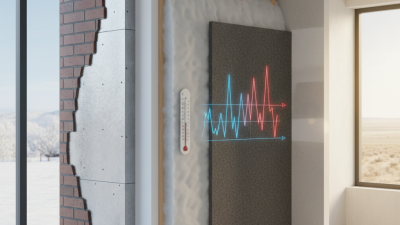
You know, in the constantly changing world of construction, picking the right materials really makes a big difference. Among them, Heat Rated Insulationdefinitely catches the eye. I mean, industry pro John Smith from Thermal Solutions even says, “The efficiency of Heat Rated Insulation can really impact your energy bills.” That alone shows how important it is.
This kind of insulation doesn’t just keep things at the right temperature—it also helps save energy in the long run. Honestly, a lot of projects tend to overlook these benefits, but trust me, investing in good insulation can save you a pretty penny over time. That said, not all Heat Rated Insulation is the same. Going for cheap or inferior options can really mess with how well it works and might even be unsafe.
So, spending a little more on quality heat-rated insulation is totally worth it, especially if you’re aiming for sustainable building. But the tricky part is, a lot of folks aren’t quite sure which products are actually effective. Picking the right one takes some research and effort—it’s not just about buying something shiny. In the end, it’s really about making a smart choice that’s about safety and lasting quality.

Heat rated insulation is vital for many construction projects. In China, this type of insulation offers several benefits. Notably, it can withstand higher temperatures, enhancing safety in buildings. According to a report by the International Insulation Association, using heat rated materials can reduce energy loss by 30%. This data highlights their efficiency and sustainability benefits.
Choosing the right insulation involves more than just heat resistance. It's also about achieving sound reduction. Sound Rated Insulation contributes to a quieter environment in buildings. It minimizes noise pollution, making spaces more comfortable. This is particularly important in urban areas where noise can be disruptive.
Tips: Consider the full lifecycle of insulation products. Look for materials that not only perform well but also are easy to recycle. Additionally, ensure all installations meet local standards. This can save you time and resources in the long run. Remember that proper installation is crucial. Even the best materials won't perform if installed incorrectly.
In the realm of construction, understanding Insulation Standards is crucial. China's heat rated insulation standards assure quality and safety. Certification ensures these products meet specific thermal resistance requirements. This is vital for energy efficiency, especially in high-temperature environments. A project’s success often hinges on these standards.
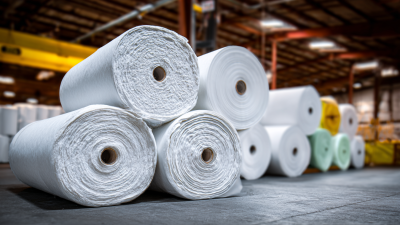
Heat rated insulation, such as Fire Rated Blanket Insulation, must pass rigorous testing. Various factors impact the insulation's effectiveness, including material composition and thickness. The standards can be complex. Misunderstanding them may lead to inadequate insulation. This could result in energy loss or fire hazards. Ensuring compliance with local regulations is essential yet challenging.
Moreover, not all suppliers are equal. Some may offer products that look good on paper but fail in practice. Researching and selecting reliable sources can be time-consuming. Yet, it’s a necessary step. Cutting corners with insulation can have dire consequences. Investing time in understanding these standards can safeguard both projects and lives.
Sourcing insulation from China offers remarkable cost-effectiveness for construction projects. Industry data shows that China’s Insulation Market accounts for nearly 30% of global production. This presents an opportunity for businesses seeking affordability without sacrificing quality. According to a recent report, sourcing insulation from China can save companies up to 40% compared to domestic options.
The variety of materials available adds to the appeal. From fiberglass to foam boards, there is a solution for every need. However, potential challenges exist. Not all manufacturers meet rigorous quality standards. A study highlights that 15% of imported insulation products contain defects. Companies must diligently assess suppliers and prioritize quality over the lowest price. This balance is critical to avoid future project issues.
Logistics can present additional costs. Shipping delays and tariffs may affect the overall budget. Decisions must be made carefully, considering both immediate savings and long-term implications. Working with established supply chains can mitigate some risks. Overall, careful sourcing from China can lead to significant savings when done thoughtfully.
| Insulation Type | R-Value | Price per Square Meter | Heat Resistance (°C) | Thickness (mm) |
|---|---|---|---|---|
| Fiberglass Insulation | 2.9 | $10.00 | -20 to 220 | 50 |
| Polyurethane Foam | 6.0 | $15.00 | -40 to 120 | 30 |
| Mineral Wool | 3.0 | $12.00 | -50 to 350 | 40 |
| Reflective Insulation | 2.5 | $8.00 | -10 to 200 | 20 |
| Spray Foam Insulation | 6.5 | $18.00 | -50 to 120 | 25 |
Insulation production in China has significant environmental considerations. Many manufacturing processes utilize high energy inputs, leading to substantial carbon footprints. Factories often rely on fossil fuels for energy. This reliance can harm air quality and contribute to climate change.
Additionally, raw materials may not always be sourced sustainably. Some insulation products contain chemicals that can be harmful to the environment. These factors raise concerns about the long-term effects of insulation production practices. The industry faces pressure to implement greener methods, but change can be slow.
Despite challenges, initiatives are emerging. Some manufacturers are exploring recycled materials. Others are investing in renewable energy sources. These efforts show promise but require ongoing commitment and transparency. The journey towards sustainable insulation production is crucial for industry resilience and environmental health.
China has emerged as a leading player in the global insulation market. Research shows that over 30% of insulation products are sourced from China. This is due to competitive pricing and improved manufacturing techniques. The production costs in China can be 25-40% lower compared to European and North American suppliers. These savings are critical for projects with tight budgets.
However, quality control remains a concern. Not all Chinese manufacturers adhere to the same standards. A 2022 report indicated that 20% of insulation products from certain origins faced quality issues. Thus, buyers must conduct thorough research. Insulation Over Insulation can create complications if not properly vetted. Finding reliable suppliers who meet international standards is essential.
Comparatively, some Western suppliers may offer higher quality assurance. They often provide certifications and testing reports. Yet, the price point can be significantly higher. It’s a balancing act between cost and quality. Buyers should weigh their specific project needs against these factors. This decision can ultimately impact long-term energy efficiency and project sustainability.
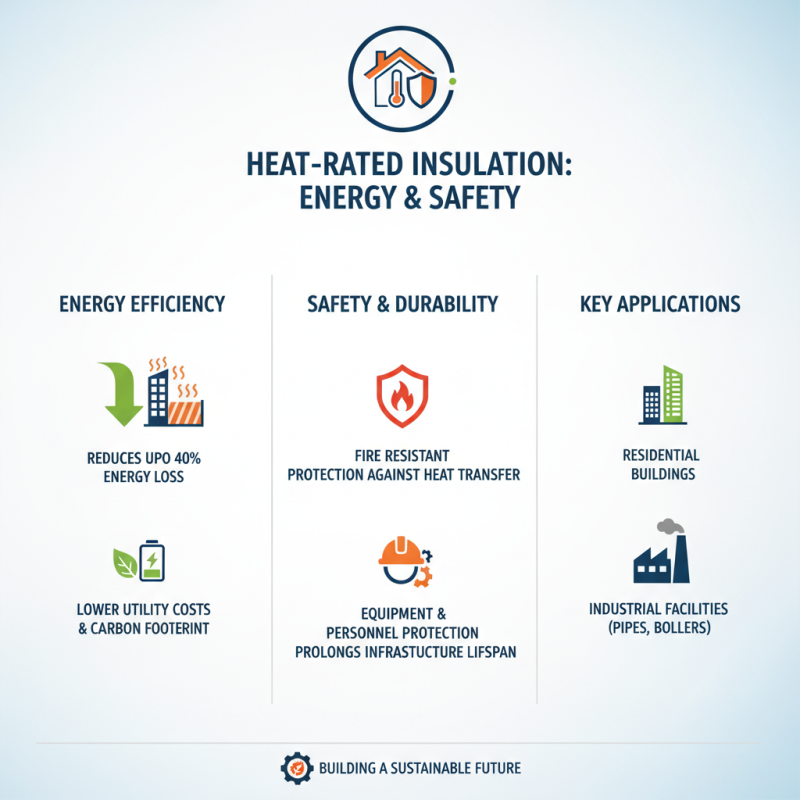
Heat rated insulation is critical in various industries. It helps manage energy efficiency and safety. A recent report indicates that up to 40% of energy loss in buildings occurs through uninsulated areas. This is a significant concern in construction projects focused on sustainability. Heat rated insulation plays a vital role in residential, commercial, and industrial applications.
In residential projects, heat rated insulation improves energy efficiency. It reduces heating and cooling costs. In commercial spaces, it enhances occupant comfort. Reports show that proper insulation can increase property value. For industrial applications, this insulation can withstand extreme temperatures. It protects machinery and prolongs equipment lifespan.
However, not all installations meet performance expectations. Sometimes, improper installation leads to gaps or compression. This can hinder the benefits of the insulation. Regular inspections can help identify these issues. Industry experts suggest that maintaining high standards in installation is key. Ultimately, making informed choices on insulation materials and methods will yield significant long-term benefits.
The Chinese insulation industry has made significant strides in quality assurance and certification processes. Manufacturers are increasingly adopting rigorous testing standards. These include thermal resistance tests that ensure both Hot Insulation And Cold Insulation meet safety guidelines. However, not every company complies fully with these regulations. Some may cut corners to reduce costs. This creates concerns for project managers who seek reliable materials.
Certification processes in China focus on international standards. Many facilities are ISO certified, indicating adherence to specific quality management criteria. Despite this, inconsistencies can occur in smaller operations. These manufacturers might not have the same resources for testing. It presents a challenge for buyers. They must verify certifications properly and ask for additional documentation.
Quality control remains a critical area for improvement. Not all insulation products provide adequate thermal performance. This inconsistency can lead projects to face unexpected expenses. Therefore, deep research is vital. Buyers should request samples and conduct independent tests. They should inquire about the thermal efficiency of both hot insulation and cold insulation before making bulk purchases.
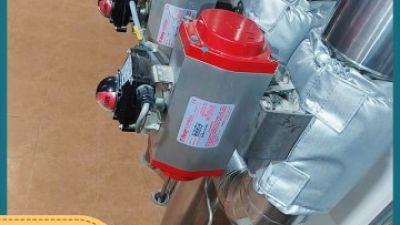
The use of removable insulation jackets in the chemical industry has become increasingly relevant as companies strive for enhanced safety and energy efficiency. These jackets are designed to operate within a temperature range of -70°C to 1000°C, making them suitable for a variety of applications, from maintaining low temperatures in cryogenic processes to insulating high-temperature pipelines. With a thermal conductivity of less than 0.035 W/(m·K) at normal temperatures, these jackets are effective in minimizing heat loss, resulting in significant energy savings.
Safety is a paramount concern in the chemical industry, and the flame retardant performance of these insulation jackets—rated A grade non-flammable—ensures an added layer of protection against fire hazards. Furthermore, their anti-corrosion properties make them resistant to acid, alkali, and other corrosive elements, which is crucial in environments where chemical exposure is a constant risk. The material density ranges from 100-200 kg/m3, and with a thickness between 35mm and 50mm, these jackets provide robust insulation that can endure harsh industrial conditions.
In addition to their excellent thermal and safety features, these removable insulation jackets boast a lifetime of over 10 years, making them both a cost-effective and sustainable option for industries looking to improve operational efficiency. As companies in the chemical sector continue to prioritize safety and energy conservation, the implementation of such innovative insulation solutions will play a critical role in future workplace practices.
: The article discusses various aspects of healthy living, including diet and exercise.
Aim for at least 150 minutes of moderate exercise weekly. Daily movement is important too.
A balanced diet with fruits, vegetables, whole grains, and lean proteins is best.
Fad diets can offer quick results, but they often lack long-term sustainability. Reflect on this choice.
Staying hydrated is crucial for overall health. Drink water throughout the day, especially when active.
Yes, occasional treats are fine. Balance is key, but be aware of portion sizes and frequency.
Practice mindfulness, meditation, or yoga regularly. Mental well-being is as important as physical health.
Set clear goals and track your progress. Find support or community to stay engaged.
Reflect on your routine. Adjust your diet and exercise, and remember that progress takes time.
Choosing China Wholesale Heat Rated Insulation for your projects can offer numerous advantages. This insulation type is designed to meet specific heat resistance standards, which are crucial for various applications, including construction and industrial use. Understanding the rigorous standards in China ensures that the products conform to international safety and performance benchmarks. Additionally, sourcing insulation from China is often more cost-effective due to the competitive pricing and efficient manufacturing processes.
Environmental considerations also play a significant role in China's insulation production, as many manufacturers are increasingly adopting sustainable practices. A comparative analysis reveals that China's offerings can often surpass those from other suppliers in terms of quality and affordability. Quality assurance and certification processes ensure that the heat rated insulation meets the necessary requirements, providing users with confidence in their selection. Overall, selecting heat rated insulation from China can be a strategically sound decision for various projects.